


Rooted in Practice, Guided by Nature
Lumayya was born from a simple idea: yoga should be accessible, understandable, and deeply personal. We created a space where everyone can find their path to practice, regardless of experience or physical abilities. Our approach is based on respect for the body and its natural rhythms. We believe that true transformation happens through conscious observation and gentle acceptance of yourself as you are right now. Each course is created with attention to detail and deep understanding of how yoga works with the physical body, breath, and state of consciousness. We strive to convey principles that allow you to practice safely and effectively.
Lumayya is an invitation to return to yourself, find support in the moment, and discover inner strength through practice.

What Guides Us
-

Authenticity
We share knowledge verified by years of practice and experience. Every technique, every approach is based on deep understanding of how the body and consciousness work.
-

Accessibility
Yoga for everyone who feels its call. Regardless of age, physical form, or experience, you will find a course that meets your needs. We create materials to be understandable and easy to use.
-

Depth
Superficiality is not our path. We strive to convey an understanding of why the techniques work. Each course is structured so that you can develop and deepen your practice over time.
-

Support
Your practice is a personal journey, and we are here to support you on this path. Materials are structured so you can return to them again and again, finding new levels of understanding.


Find Your Starting Point
-
Morning Flow
Vendor:LumayyaRegular price $249.00 USDRegular price -
Inner Balance
Vendor:LumayyaRegular price $250.00 USDRegular price -
Deep Roots
Vendor:LumayyaRegular price $300.00 USDRegular price -
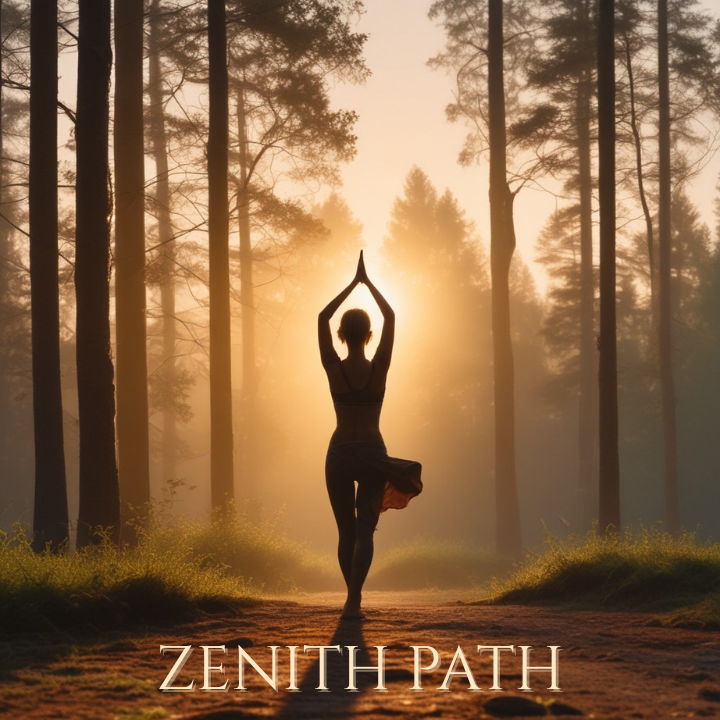
Zenith Path
Vendor:LumayyaRegular price $400.00 USDRegular price


Meet Your Guides

Hatha Yoga Instructor & Mindful Movement Specialist
Sarah Mitchell
Sarah has dedicated the last 6 years to studying and teaching yoga in various traditions. Her approach is based on deep understanding of anatomy and biomechanics of movement. She studied with teachers in India, Bali, and Europe, integrating different schools and methods into a holistic approach. Sarah specializes in working with breath and its impact on the nervous system. Her lessons are known for clear explanations and attention to practice safety. She believes yoga should be a tool for life. Sarah creates courses so students can apply acquired knowledge in everyday life. Her practice is based on principles of awareness and gentle self-acceptance.

Vinyasa Flow Teacher & Restorative Yoga Guide
Emma Thornton
Emma came to yoga through personal experience of overcoming stress and physical limitations. For 4 years she explored different approaches to practice, from dynamic styles to restorative methods. Her specialization is working with energetic aspects of practice and their impact on emotional state. Emma studied in schools worldwide, including intensive retreats in the Himalayas. She has deep understanding of how different techniques affect body and consciousness. Emma creates sequences that combine strength and softness, movement and stillness. Her approach is based on respect for each practitioner's individuality. She teaches to listen to your body and find balance between effort and relaxation.
